EVs · 5 min read
2027 Lotus Evija Power Specifications and Performance Overview
Explore the 2027 Lotus Evija, a 2,011.5 bhp electric hypercar that redefines performance with its quad-motor drivetrain and advanced carbon fiber construction.
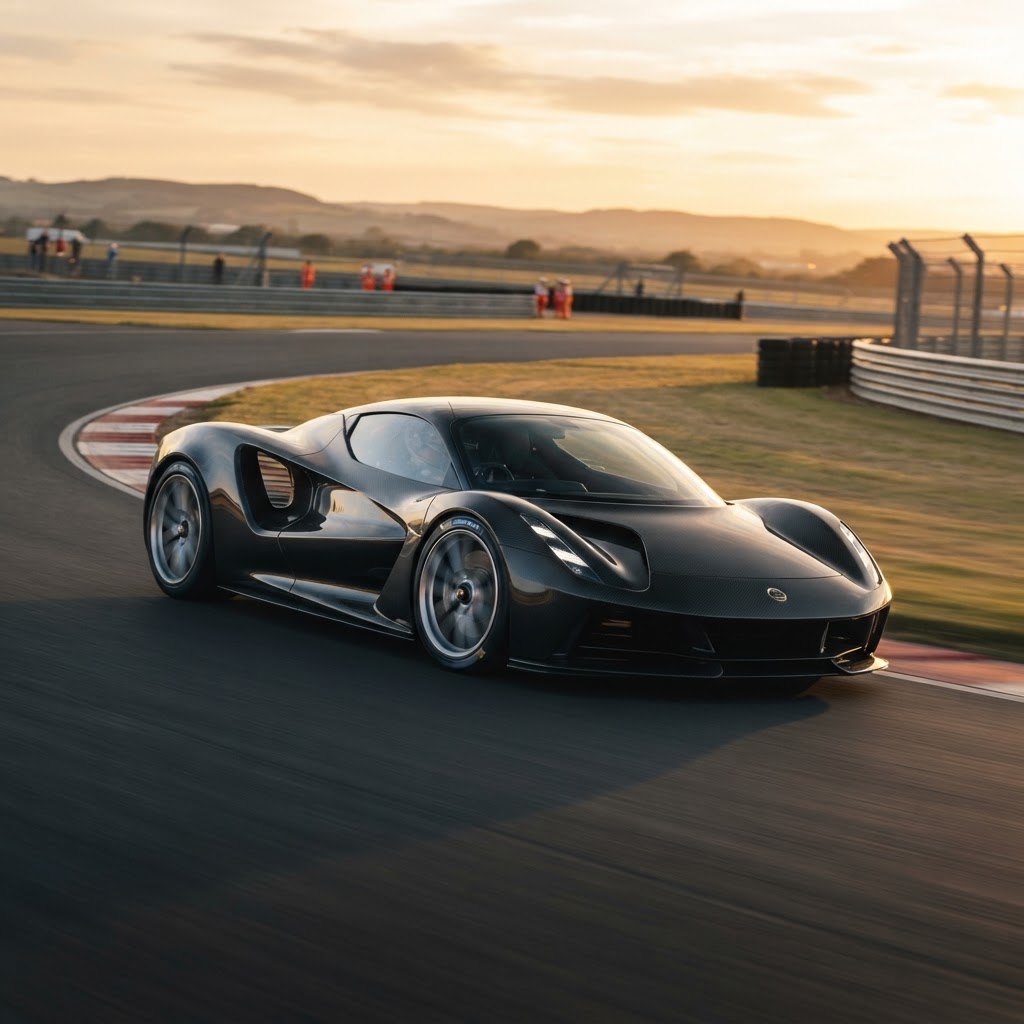
AI-generated image for illustration, not a photo of the actual event.
Quick answer
The 2027 Lotus Evija produces 2,011.5 bhp and 1,257 pound-feet of torque from its quad-motor electric powertrain. This all-electric hypercar accelerates from 0 to 60 mph in 1.8 seconds. It is limited to 130 production units and is not currently legal for public road use in the United States.
What we know
- The Lotus Evija generates 2012 horsepower and 1257 pound-feet of torque.
- Acceleration from 0 to 60 mph occurs in 1.8 seconds.
- Production is strictly limited to 130 examples worldwide.
- The vehicle features a 93 kWh battery with a 249-mile range.
- Lotus confirms the Evija is not approved for US public road use.
The Lotus Evija stands as an engineering benchmark, utilizing a sophisticated quad-motor electric powertrain to deliver unprecedented performance figures for a series production vehicle.
Designed by Lotus Cars, this electric hypercar combines extreme speed with specialized aerodynamics and interior ergonomics to provide a unique driving experience for those few who will own one of the 130 units.
Lotus Evija Power and Performance Specifications
The Lotus Evija generates a combined power output of 2,012 horsepower and 1,257 pound-feet of torque through its advanced four-motor system.
This configuration allows Lotus to estimate the vehicle can reach 60 mph from a standstill in 1.8 seconds.
All four electric motors provide instantaneous power to an all-wheel drive system, ensuring the vehicle maintains traction while delivering the power levels that make it the most powerful series production vehicle currently built.
The powertrain layout positions the battery system centrally behind the driver and passenger seats, and the vehicle has a curb weight of approximately 4,200 pounds.
- Horsepower: 2,012 bhp
- Torque: 1,257 lb-ft (1,700 Nm)
- Drivetrain: Quad-motor AWD
- 0-60 mph: 1.8 seconds
- Transmission: Single-speed automatic
| Metric | Specification |
|---|---|
| Peak Power | 2012 hp |
| Max Torque | 1,700 Nm |
| Curb Weight | 4,200 lbs |
| Battery Capacity | 93 kWh |
Performance Benchmarks
The performance of the Evija is supported by a full carbon fiber body designed to manage complex airflow. This design allows the car to channel air through its structure to maximize downforce and aerodynamic efficiency at high speeds.
Battery, Range, and Charging Capabilities
The Lotus Evija utilizes a 93 kWh battery pack that provides a combined driving range estimated at 249 miles.
Charging efficiency is a priority for this electric supercars platform, allowing the vehicle to reach an 80 percent charge in 18 minutes when connected to a 350-kW DC fast charger.
The battery system serves as the energy core for the quad-motor setup, providing the necessary current to sustain the peak performance metrics required for track-focused driving.
- Connect to a 350-kW charger.
- Monitor charge levels via the 15.0-inch gauge display.
- Reach 80 percent capacity in 18 minutes.
Battery Positioning
By placing the battery directly behind the occupants, engineers have managed to keep the center of gravity low and central. This layout is crucial for maintaining vehicle stability given the extreme acceleration the car is capable of producing.
Design and Interior Features
The interior design of the Lotus Evija features a steering wheel modeled after Formula 1 and LMP racing, equipped with controls for cruise control and phone connectivity.
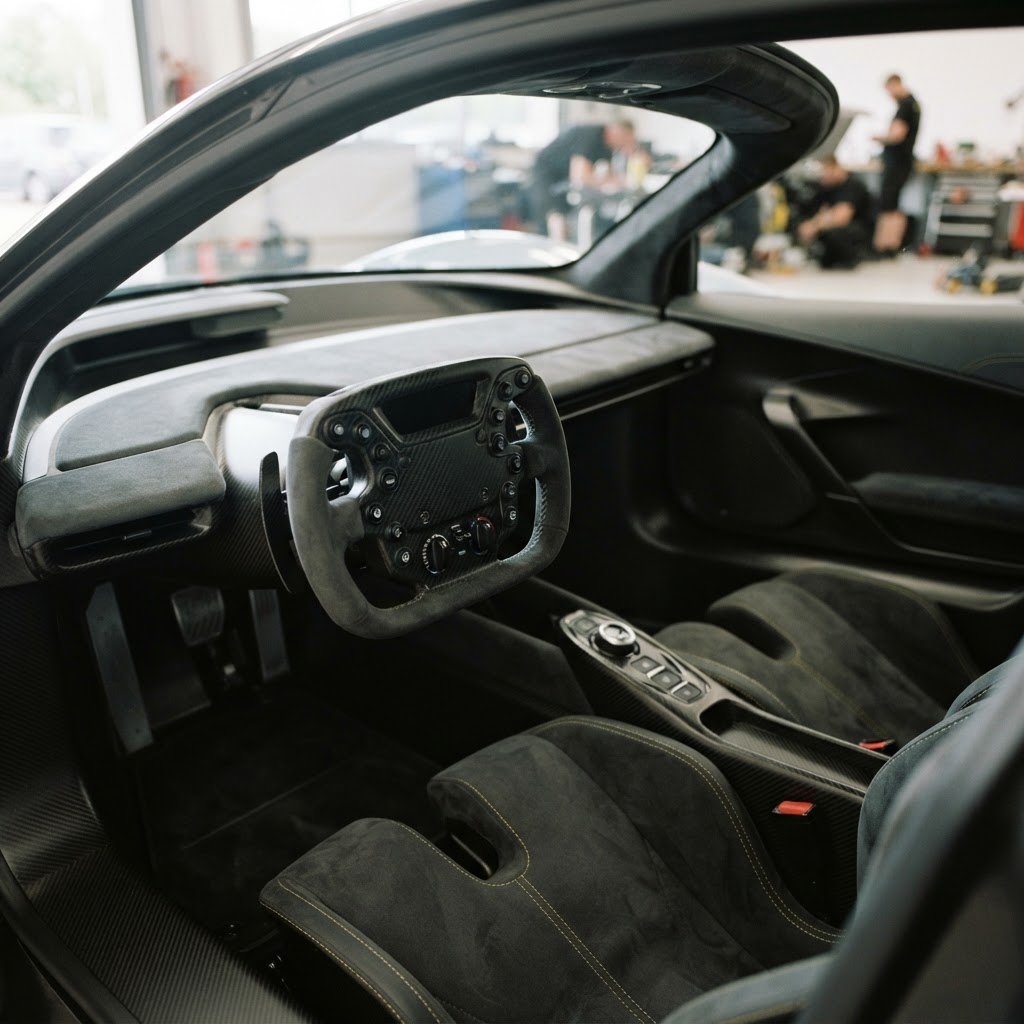
Standard interior finishes utilize Alcantara, though customers may opt for leather upholstery to suit their preferences.
The cabin also features ergonomically placed multitouch controls for both the driver and passenger, while a 15.0-inch display serves as the vehicle's only screen.
- Formula 1-inspired steering wheel design
- Becker points for precise driver positioning
- Multitouch cabin controls
- Rearview camera and side-mounted pop-out cameras
Ergonomics and Becker Points
The cabin includes specialized raised front wings known as Becker points. Named after former test driver Roger Becker, these points assist the driver in accurately positioning the car during high-speed maneuvers.
Driving Modes and Vehicle Dynamics
Drivers can select from five distinct driving modes, including Range, City, Tour, Sport, and Track, to adapt the vehicle to different environments.
The car operates through a single-speed automatic transmission paired with an all-wheel drive system.
The vehicle lacks traditional driver-assistance features such as lane-keeping assist, keeping the focus entirely on the mechanical feedback provided to the driver.
- Range Mode: Maximizes efficiency.
- City Mode: Balances comfort and power.
- Tour Mode: Standard driving characteristics.
- Sport Mode: Increases responsiveness.
- Track Mode: Full power extraction.
Handling and Visibility
To support the driver, the vehicle integrates a system of cameras, including a dedicated rearview camera and pop-out side cameras, which replace traditional side mirrors to improve aerodynamic performance.
Production, Pricing, and Market Status
Lotus limits production of the Evija to 130 examples, a tribute to the project's development code, Type 130.
Pricing for the vehicle ranges from £2,399,994 to £2,820,000 depending on the specifications selected by the owner.
The Lotus Evija is not approved for use on public roads in the United States, limiting its utility to track use or private collection display.
- Total Units: 130
- Market: Global (excluding US public roads)
- Production Start: July 2023
- Warranty: 3 years or 36,000 miles
Limited Editions
Lotus has occasionally released special versions, such as the Lotus Evija Fittipaldi, a limited run of eight vehicles created to honor the legacy of Emerson Fittipaldi.
The Evija in the Hypercar Market
The Lotus Evija holds a unique position in the modern hypercar market with its 2,012 hp output, distinguishing it from other high-performance machines.
Comparatively, the Ferrari F80 is rated at 1,200 hp, the McLaren W1 at 1,275 hp, and the Aston Martin Valhalla at 1,079 hp.
The Lotus Evija is marketed as the most powerful series production vehicle ever built.
- Lotus Evija: 2,012 hp
- Rimac Nevera: 1,914 hp
- Bugatti Tourbillon: 1,800 hp
- Koenigsegg Jesko: 1,623 hp
- McLaren W1: 1,275 hp
| Vehicle | Horsepower |
|---|---|
| Lotus Evija | 2012 |
| Bugatti Tourbillon | 1800 |
| Ferrari F80 | 1200 |
| Aston Martin Valhalla | 1079 |
Market Standing
With its Geely ownership connection, the Lotus brand has positioned the Evija as its first all-new model under current management, aiming to establish a legacy of electric performance that exceeds the capabilities of traditional hypercars.
What it means for you
Owners and prospective buyers of such cars should be aware that the Evija is a track-focused machine without cargo storage or advanced driver-assistance systems.
Because the vehicle lacks complimentary maintenance, owners must plan for independent service through qualified services providers who understand the specific needs of electric high-voltage systems.
Shoppers should also ensure they are familiar with the transponder-based key system, which requires placement in the center console for the vehicle to activate.
- Verify the vehicle's production number.
- Confirm local track requirements for high-performance electric vehicles.
- Establish a relationship with a certified service center for battery and powertrain care.
Ownership Considerations
The Lotus Evija is not approved for use on public roads in the United States. Maintenance should follow the three-year or 36,000-mile warranty guidelines provided by the manufacturer.
Questions people are asking
What is the power output of the 2027 Lotus Evija?
The Lotus Evija features a quad-motor electric powertrain that produces 2,012 horsepower and 1,257 pound-feet of torque.
How fast does the 2027 Lotus Evija accelerate?
The Lotus Evija is estimated to accelerate from 0 to 60 mph in 1.8 seconds.
What is the range of the Lotus Evija?
The Lotus Evija is equipped with a 93 kWh battery that provides a combined range of 249 miles on a single charge.
How many Lotus Evija units are being produced?
Lotus is limiting production of the Evija to 130 examples, a number chosen to honor the project's internal code, Type 130.
Is the Lotus Evija legal to drive on US roads?
No, the Lotus Evija is not approved for use on public roads in the United States.
What driving modes does the Lotus Evija have?
The Lotus Evija offers five distinct driving modes: Range, City, Tour, Sport, and Track.
How we reported this
By Motonect News Desk, The Motonect News Desk covers recalls, prices, EVs and policy for US car owners and shoppers. Facts were checked across 5 independent sources and written in our own words. AI tools help collect facts and draft; every claim is checked against the sources and for original wording before publishing. Our editorial standards
Sources (5)
- Autotijd: Technical specifications Lotus Evija 2027 and older
- Autotijd: Fiche technique Lotus Evija 2027 et avant
- Car and Driver: The Evijia EV Is the Most Technically Advanced Lotus Sports Car but Is Illegal in America
- Top Gear: Lotus Evija Overview and Specifications
- lotuscars.com: The next generation of automotive performance has arrived. The all-electric Lotus Evija is the most powerful car to ever enter series production.
More on Electric Supercars
Electric Supercars · Nov 10, 2026
2027 Ferrari Luce Debuts Speed and Luxury in First Electric Model
The 2027 Ferrari Luce represents the brand's first fully electric production vehicle, featuring a 1,050 horsepower powertrain and a Jony Ive-designed interior.
Read
Electric Supercars · Nov 7, 2026
BYD Yangwang U9 Xtreme Top Speed: 503.17 km/h Record Broken
The Yangwang U9 Xtreme has set a new record by reaching 503.17 km/h, cementing its place as the fastest production car in history.
Read
Tesla Auto News · Nov 24, 2026
Tesla Roadster Cold Gas Thruster Performance and Specs
Learn how the upcoming Tesla Roadster utilizes cold gas thruster technology and what to expect for its 2028 production launch.
Read