Recalls · 4 min read
Hyundai Kona and Veloster Airbag Recall: What Owners Need to Know
Hyundai has issued a recall for 37,901 Kona Electric and Veloster N models due to a software issue that may cause airbag and seatbelt system failures.
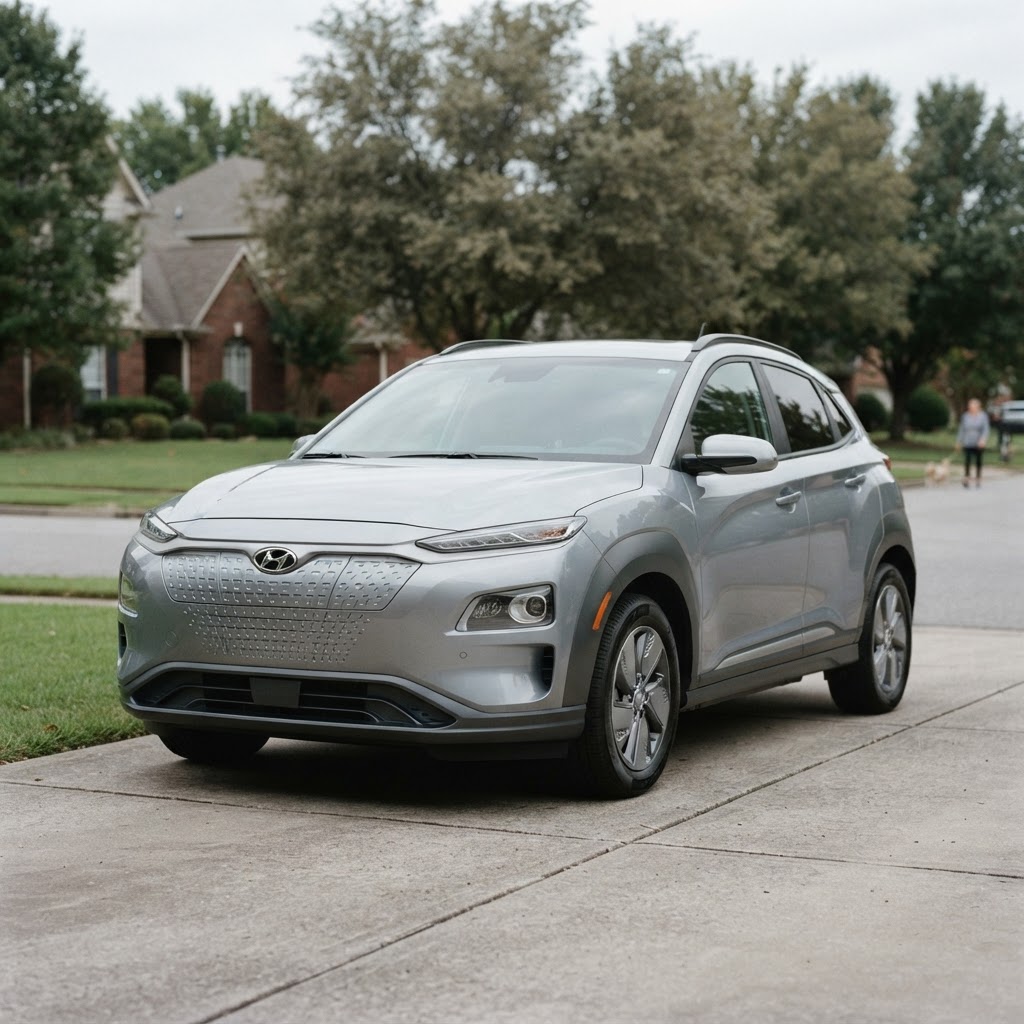
AI-generated image for illustration, not a photo of the actual event.
What we know
- Hyundai is recalling 37,901 vehicles including 2019-2023 Kona Electric and 2019-2022 Veloster N models.
- The recall addresses data corruption in the Airbag Control Unit that can prevent safety systems from deploying.
- Owners should watch for an airbag warning light on their dashboard.
- Repairs consist of a free software update at Hyundai dealerships.
- There are 331 documented incidents but no reported crashes, injuries, or fires.
- Notification letters to owners will begin arriving on January 1, 2027.
Hyundai Motor America has officially announced a recall affecting 37,901 vehicles, specifically focusing on the Hyundai Kona and Veloster airbag recall. This safety campaign addresses potential data corruption within the airbag control unit, which could lead to a failure of safety systems during a collision.
The recall impacts specific model years for both the Hyundai Kona Electric and the Hyundai Veloster N. Owners are advised to monitor their vehicles for warning lights and prepare for a required software update provided by the manufacturer at no cost.
Affected vehicle models and scope
The recall involves a significant number of vehicles produced in South Korea that may be equipped with a compromised airbag control system. Hyundai identified that approximately 1 percent of the total recalled fleet currently possesses the defect related to the memory write cycles of the control unit.
The following vehicles are included in this safety campaign, identified by Hyundai as recall number 311:
- 2019 to 2023 Hyundai Kona Electric: 29,058 vehicles
- 2019 to 2022 Hyundai Veloster N: 8,843 vehicles
| Model | Affected Years | Total Units |
|---|---|---|
| Kona Electric | 2019-2023 | 29,058 |
| Veloster N | 2019-2022 | 8,843 |
If you own one of these models, you can verify your status by using tools to check for Hyundai vehicle recalls or by visiting a local authorized service center.
What causes the airbag malfunction?
The Airbag Control Unit (ACU) hardware is supplied by the ZF Group, and the recall addresses software data corruption within the unit. The issue is specifically tied to software memory corruption.
Data corruption occurs when the ACU loses power or initiates a system reboot during critical memory write cycles. If this corruption happens, the system may fail to function as intended during a collision, potentially preventing the airbag from deploying.
Hyundai North America Safety Office investigation began on August 19, 2024, after noticing a rise in warranty claims linked to persistent airbag warning lights on vehicle dashboards. This led to the formal filing of report 26V728 with the National Highway Traffic Safety Administration on November 2, 2026.
- Power loss or system reboot occurs.
- Memory write cycle is interrupted.
- Software becomes corrupted within the ACU.
- Safety systems fail to trigger during a crash event.
| Issue | Details |
|---|---|
| Supplier | ZF Group |
| Mechanism | Data corruption in memory |
While the potential for failure exists, it is important to note that as of October 2026, there are no documented crashes, injuries, or fires associated with this specific software defect.
Recognizing warning signs and safety history
Drivers are the first line of defense in identifying this potential fault. The primary indicator for owners is the illumination of the airbag malfunction warning light on the instrument cluster.
If this light appears, the system is notifying you that data corruption in the airbag control unit may have occurred. There are 331 documented incidents related to this potential software failure, and there are no documented crashes, injuries, or fires related to this airbag control unit defect.
Our advice: Do not ignore dashboard warnings. If your airbag light remains illuminated, schedule an inspection through your local dealer immediately to ensure your safety systems remain operational.
- Airbag warning light stays on
- Possible system error codes
| Metric | Value |
|---|---|
| Documented Incidents | 331 |
| Reported Injuries | 0 |
| Reported Fires | 0 |
Consistent maintenance and awareness are essential for long-term ownership of Hyundai vehicles.
How to get your Hyundai repaired
Hyundai has developed a software update designed to prevent memory corruption in the ACU. This fix will be performed by dealers at no cost to the vehicle owner.
If you have already paid for repairs related to this specific airbag issue prior to the official recall announcement, you are eligible for reimbursement. Be sure to keep all relevant receipts and repair documentation to provide to your dealer for processing.
Official notification letters are scheduled to be mailed to owners starting January 1, 2027. This communication will provide specific instructions on how to proceed with the free repair.
- Wait for your official notification letter.
- Check your VIN for recall status.
- Schedule a free appointment at an authorized dealership.
- Submit proof of payment for any prior related repairs for reimbursement.
| Repair Aspect | Policy |
|---|---|
| Cost | Free |
| Reimbursement | Available for prior repairs |
Hyundai will mail notification letters regarding the recall repair to vehicle owners starting January 1, 2027.
Other recent Hyundai Kona safety recalls
The 2024 model year for the Kona has been subject to multiple safety campaigns. Specifically, NHTSA recall 26V452 involves rear seat belt buckle assemblies and affects 47,764 gasoline-powered vehicles.
Additionally, recall 23V-650 addressed improperly installed rear seat belt retractors. In that case, inadequate inspection controls at a supplier allowed a stamping die to be used beyond its service life, which could prevent seat belt webbing from extending.
Dealers remain responsible for inspecting and replacing parts for these previous campaigns at no cost. Beyond these recalls, Hyundai has issued communications regarding electrical system alerts, exterior lighting, and forward collision avoidance systems for 2024 models.
- NHTSA 26V452: Rear seat belt buckle issues
- NHTSA 23V-650: Rear seat belt retractor replacement
- General manufacturer updates for electrical and lighting systems
| Recall ID | Subject |
|---|---|
| 26V452 | Rear seat belt buckles |
| 23V-650 | Rear seat belt retractors |
Always stay informed about your specific vehicle's history by checking the latest automotive news or your VIN on official safety databases.
Questions people are asking
Is my Hyundai Kona included in the airbag recall?
The recall includes 2019-2023 Hyundai Kona Electric models and 2019-2022 Hyundai Veloster N models. You can confirm your status by checking your VIN with your dealer or the NHTSA website.
What causes the airbag malfunction in the Kona and Veloster N?
The malfunction is caused by software data corruption in the ZF Group-supplied Airbag Control Unit. This occurs when the system loses power or reboots during memory write cycles.
Will I have to pay for the airbag software update?
No, the software update to correct the Airbag Control Unit issue is provided by Hyundai at no cost to vehicle owners.
How will I be notified about the Hyundai airbag recall?
Hyundai will mail notification letters to affected vehicle owners starting January 1, 2027.
What should I do if my airbag warning light turns on?
If the airbag warning light illuminates, you should contact an authorized Hyundai dealership to schedule an inspection and software update as soon as possible.
Who can I contact for more information about the recall?
You may contact Hyundai customer support at 1-855-371-9460 or reach out to the National Highway Traffic Safety Administration Vehicle Safety Hotline at 1-888-327-4236.
How we reported this
By Motonect News Desk, The Motonect News Desk covers recalls, prices, EVs and policy for US car owners and shoppers. Facts were checked across 5 independent sources and written in our own words. AI tools help collect facts and draft; every claim is checked against the sources and for original wording before publishing. Our editorial standards
Sources (5)
- Electrek: Hyundai is recalling nearly 30,000 Kona Electric vehicles due to an airbag software defect
- Car and Driver: Hyundai Issues a Recall for 38,000 Vehicles Due to Potentially Faulty Airbags and Seatbelts
- SDV Sector: Hyundai recalled 37,901 Kona Electric and Veloster N cars over airbag unit software · SDV Sector
- Seoul Economic Daily: Hyundai's U.S. Arm Recalls 38,000 Vehicles Over Airbag Defect
- The Center for Auto Safety: 2024 Hyundai Kona Recalls, Complaints and Investigations - The Center for Auto Safety
More on Hyundai recalls
Tesla Auto News · Nov 24, 2026
Tesla Roadster Cold Gas Thruster Performance and Specs
Learn how the upcoming Tesla Roadster utilizes cold gas thruster technology and what to expect for its 2028 production launch.
Read
Automotive Pricing News · Nov 24, 2026
2027 Corvette ZR1X Dealer Markup: The $400,000 Premium Explained
An investigation into the $400,000 market adjustment applied by George Nunnally Chevrolet to a 2027 Chevrolet Corvette ZR1X and the implications for buyers.
Read
Automotive Aftermarket News · Nov 11, 2026
C8 Corvette Manual Transmission Conversion: The Peitz Performance Build
Peitz Performance has introduced a functional manual transmission conversion for the C8 Corvette, utilizing a six-speed Tremec transaxle and custom engineering.
Read